

Description
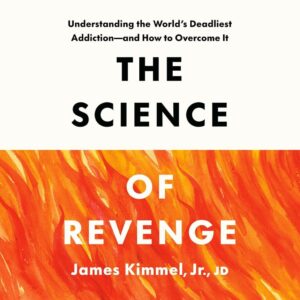
The Science of Revenge: Understanding the World’s Deadliest Addiction—and How to Overcome It (Audible Audio Edition)
Unveiling the Story
In a world rife with conflict and hurt, James Kimmel Jr. JD takes readers on a profound journey through the murky waters of human behavior in his compelling work, The Science of Revenge. Set against the backdrop of relentless human history marked by vengeance and retribution, Kimmel unfolds the hidden addiction to revenge that plagues our society. Through meticulous research and gripping storytelling, he explores the neurobiological underpinnings of our desire for retribution, revealing how this compulsive urge can lead to catastrophic outcomes.
At the heart of this narrative lies a central conflict: the battle between our instinctive reactions to pain and the profound necessity for healing and forgiveness. Kimmel’s intent is clear—by understanding the addictive nature of revenge, we can begin to break free from its cycle and foster safer communities. This book is not just an exploration of revenge; it is a call to action for individuals and society alike.
What Makes It Stand Out
The Science of Revenge stands out in its genre for several reasons:
- Interdisciplinary Approach: Kimmel weaves together insights from neuroscience, psychology, sociology, and human history, creating a rich tapestry that captivates readers from various backgrounds.
- Engaging Storytelling: Rather than presenting dry academic findings, Kimmel utilizes storytelling to engage readers emotionally, making complex scientific concepts accessible and relatable.
- Timeliness: Given the current climate of social media feuds and political polarization, the exploration of revenge as an addiction resonates deeply, providing critical insights into contemporary issues.
The Takeaway
Readers can expect to gain valuable insights into the nature of revenge and its implications for human behavior. The book offers:
- Understanding: A deep dive into why revenge is so alluring and how it plays a role in our lives.
- Awareness: An exploration of the addictive pathways in our brains that are activated by thoughts of retribution.
- Hope: A path towards healing through forgiveness, with actionable strategies for overcoming revenge addiction.
This book not only informs but also inspires, encouraging readers to reflect on their own responses to grievances and to seek healthier ways of processing anger and hurt.
Who Should Consider This
The Science of Revenge is perfect for:
- Psychology Enthusiasts: Anyone interested in the psychological mechanisms behind human behavior will find Kimmel’s insights invaluable.
- Social Scientists: Those studying sociology or criminology will appreciate the interdisciplinary approach and its implications for societal issues.
- General Readers: Individuals seeking to deepen their understanding of human emotions, particularly anger and forgiveness.
- Mental Health Professionals: Therapists and counselors may find practical applications of Kimmel’s theories in their work with clients.
In-Depth Review
The reception of The Science of Revenge has been overwhelmingly positive, with readers praising its thought-provoking content and relevance to modern society:
- Engaging and Accessible: Many users noted that the book is easy to consume, making complex neuroscience relatable and applicable to everyday life.
- Valuable Lessons: Readers reported gaining new perspectives on revenge, with many reevaluating their own emotional responses and relationships.
- Critical Insights: Some feedback highlighted Kimmel’s assertion that forgiveness is essential in breaking the cycle of revenge, offering a potentially narrow view but nonetheless provoking critical thinking about the broader implications of anger and violence.
Pros and Cons
Pros:
- Comprehensive exploration of revenge and its biological basis.
- Engaging writing style that combines storytelling with scientific research.
- Offers practical methods for personal healing and societal change.
Cons:
- Some readers felt that Kimmel’s focus on revenge as the primary cause of anger and violence may be overly simplified, warranting a broader discussion.
Discover More
Dive into the engaging narrative of The Science of Revenge and unlock the secrets of one of humanity’s most problematic addictions. This book is not just a read; it’s a journey towards understanding and healing that has the potential to change how we interact with one another in a world desperate for compassion and forgiveness.



21 reviews for The Science of Revenge: Understanding Addiction
There are no reviews yet.